Local Renters Guidance
Renters Insurance in Gainesville, FL
Start with a quick renters review.
What Renters Usually Need
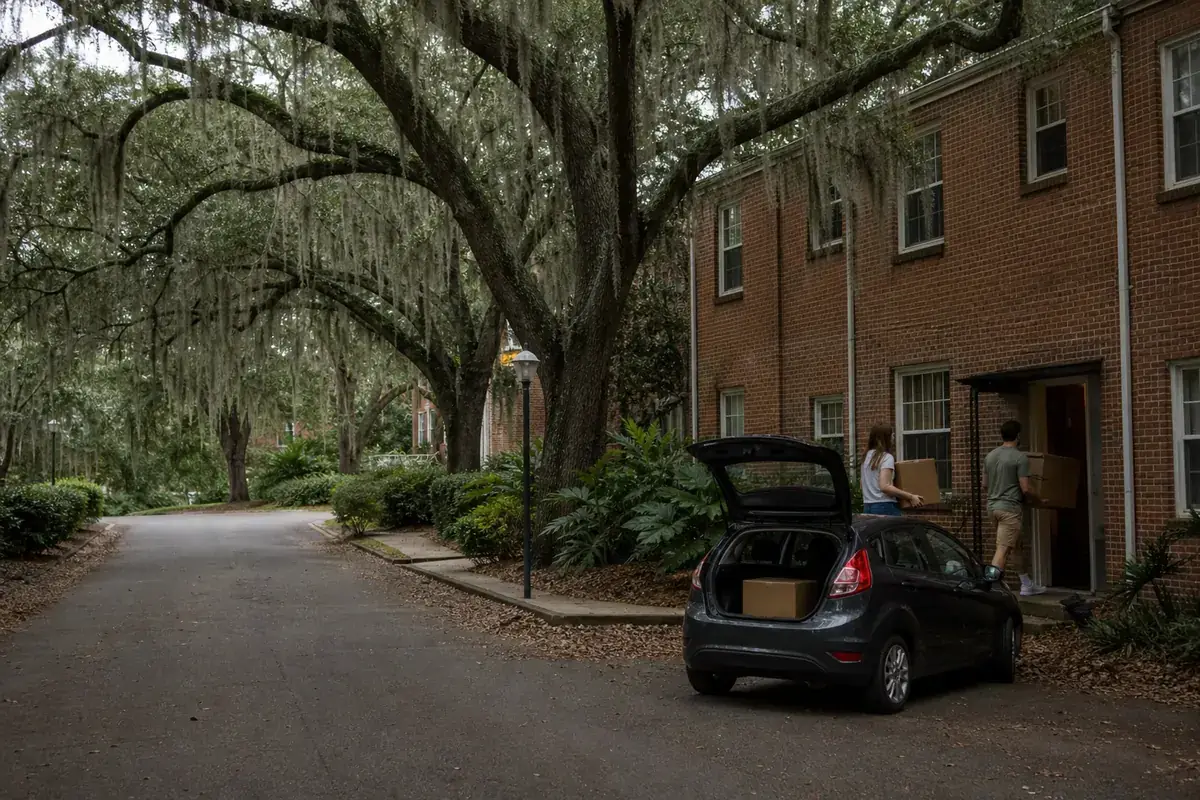
Archer Road fills up fast when leases turn over, and parking lots around apartment communities stay busy with moving vans and borrowed pickups. In Gainesville, renters insurance often comes up right after you sign a lease or right after you realize the landlord's policy usually stops at the building. We help you sort out what an HO-4 policy may do for your clothes, furniture, electronics and everyday liability. If you are moving into a student apartment, a rented house off Newberry Road, or a place near University Avenue, the goal is simple. Make sure your coverage matches how you actually live.
A lot of renters wait until move-in week, then try to guess how much coverage they need. That can leave gaps, especially for bikes, laptops, game systems and other items that matter every day in Gainesville. We walk through the basics in plain language. That includes personal property, liability, loss of use, roommate questions, and separate options for flood or sewer backup when available. A licensed agent follows up after we gather your information, so you can compare choices and ask specific questions before your policy starts.
Renters Insurance Across Alachua County and Nearby
- Gainesville, FL
- Alachua, FL
- Newberry, FL
- High Springs, FL
- Archer, FL
- Hawthorne, FL
- Micanopy, FL
- Waldo, FL
- Jonesville, FL
- Haile Plantation, FL
- Tioga, FL
- Melrose, FL
- Keystone Heights, FL
- Williston, FL
- Bronson, FL
- Trenton, FL
- Lake Butler, FL
- Fort White, FL
- Interlachen, FL
- Northwest Gainesville, FL
- Southwest Gainesville, FL
How Renters Coverage Works
University Avenue can look calm in the morning, then turn crowded by afternoon with scooters, cyclists and quick stops at apartment buildings. Renters insurance is built for that everyday life. An HO-4 policy generally helps with your belongings and your liability as a tenant. It does not insure the building itself, and it may not include every kind of water loss unless added separately when available.
Personal Property
Your renters policy generally starts with your stuff. That may include clothing, furniture, kitchen items, electronics, bedding and other belongings you keep in the apartment or house you rent. Coverage often applies to named causes of loss listed in the policy, and limits still matter. If you own several laptops, a tablet, a camera or sports gear, it helps to count them before choosing limits so the policy reflects what you would need to replace.
Liability Protection
Liability coverage may help if someone says you caused property damage or an injury in your rented place, subject to the policy terms. That can matter in shared living spaces, at small gatherings or in common day-to-day accidents. Many renters focus only on their belongings and miss this part. For Gainesville tenants, liability is often one of the biggest reasons to carry a policy, especially in busy apartment settings where visitors come and go often.
Loss of Use
If a covered problem makes your rental unlivable, loss of use coverage may help with extra living costs for a time, depending on the policy. That can be important when a fire, storm damage or another covered event interrupts your lease. In Gainesville, timing matters. An issue during August move season or near a major campus weekend can make short-term housing harder to arrange, so it helps to review this part before you need it.
Roommates and Separate Policies
Roommates often assume one policy will take care of everyone in the unit. That is not always how it works. Some policies may only cover the named insureds listed on the contract, and each person's property interests can be different. If you share a place off SW 34th Street or near NW 43rd Street, ask early whether each roommate should carry a separate policy. It is usually better to clear that up before a claim question comes up.
Landlord Policy Limits
A landlord's insurance generally protects the building and the owner's interests, not the tenant's personal property. If a pipe leaks, a kitchen fire starts or a theft happens, your landlord's policy may not pay for your clothes, books, electronics or furniture. That catches many renters off guard, especially first-time tenants and students. We help you separate building coverage from tenant coverage so you know where the landlord's responsibility may end and where your own policy may begin.
Replacement Cost or Actual Cash Value
This choice affects how your belongings may be valued after a covered loss. Actual cash value generally factors in age and wear, while replacement cost may pay more toward buying a similar new item, subject to the policy terms. If you have older furniture but newer electronics, the difference can matter. We go over this carefully because many Gainesville renters want lower premiums but also want a realistic way to replace essentials after a serious problem.
Flood, Sewer Backup, Bikes and Electronics
Some important items and causes of loss may need extra attention. Flood is usually separate coverage, and sewer backup may also be separate when offered. That matters in Florida because water losses are not all treated the same way. Bikes and high-value electronics may also need a closer look at limits or scheduling options. If you ride around campus or store expensive gear at home, it is worth reviewing those details before choosing a policy.
Why Choose Us for Renters Insurance?
We Know Gainesville
We write for this area and pay attention to how people actually rent here. Student apartments, shared houses, August lease changes and busy parking lots create real coverage questions. We keep the conversation local, practical and easy to follow.
Clear Policy Guidance
Renters insurance can sound simple until you compare limits, valuation methods and water exclusions. We explain the moving parts in plain language. You can see what an HO-4 policy generally does, what it may leave out, and what to ask before you buy.
Licensed Agent Follow Up
We collect the basics, then a licensed agent follows up to review options and answer questions. That gives you a chance to talk through roommates, special items, move dates and other details that can change the fit of a policy.
How to Review Coverage
List Your Belongings
Start with a quick home inventory. Count clothes, furniture, kitchen items, bikes, electronics and anything else you would need to replace after a major loss. Photos and a simple note on model or brand can help.
Check Lease Requirements
Read the insurance section of your lease before choosing a policy. Some landlords or apartment communities may ask for certain liability limits or proof of coverage before move-in, especially during busy turnover months.
Flag Special Items
Make a short list of things that may need extra attention, such as expensive electronics, bikes, jewelry or musical gear. Also ask about flood and sewer backup if water losses are one of your concerns.
Compare Coverage Terms
Look at deductibles, liability limits and how personal property is valued. Replacement cost and actual cash value can lead to different claim results. The right choice depends on what you own and how much risk you want to keep.
Confirm Move Timing
Before the policy starts, double check the address, unit number and effective date. That matters even more if you are moving between leases in August and carrying items back and forth during a busy week.
Check Florida Sources
For official Florida information, check the Florida Department of Highway Safety and Motor Vehicles for state vehicle rules and the Florida Department of Financial Services consumer helpline for insurance questions and complaint help. Renters insurance is different from auto coverage, but those state sources are still useful when you want official guidance instead of guesswork. We also recommend reading the policy forms and endorsements carefully so you can confirm what is included, what is excluded and when separate coverage may be needed.
What Affects Renters Cost
On Newberry Road and along 13th Street, a lot of renters are balancing a lease, utilities and moving costs at the same time. Renters insurance premiums usually depend on the amount of personal property you want to insure, the liability limit you choose, the deductible, the type of building, and your claims history when allowed. Extra options for scheduled items, replacement cost, sewer backup or other endorsements may also change the premium. A lower price can look good at first, but the fit matters more than the smallest payment.
For Gainesville renters, premiums may move up or down based on where the property is located, the construction and age of the building, the security features at the home, whether you choose actual cash value or replacement cost, and whether you add separate coverage for high-value items. Your move date can matter too if you are switching policies between leases in August. Reviewing your inventory before the policy starts often helps you avoid paying for limits you do not need or choosing limits that are too low.
Renters Insurance Questions We Hear
Do students in Gainesville need renters insurance?
Many students carry more value than they think once they add up laptops, phones, bikes, clothing and apartment basics. A landlord or apartment complex may also ask for proof of liability coverage. Even when a lease does not require it, renters insurance is often worth reviewing because the landlord's policy usually does not cover a tenant's belongings.
Does my landlord's insurance cover my stuff?
Usually no. The landlord's policy generally protects the building and the owner's interests. Your furniture, clothes, electronics and other personal items are typically your responsibility as the tenant. That is why renters insurance matters. It may also include liability coverage for claims tied to your rented space, subject to the policy terms.
Should roommates share one renters policy?
Sometimes roommates can be listed together, but that is not always the best fit. Coverage may depend on who is named on the policy and how the insurer handles unrelated adults sharing a rental. Separate policies often make claims and property ownership easier to sort out. It is smart to ask before move-in rather than assume one policy covers everyone.
Are flood and sewer backup included in renters insurance?
Flood is usually separate. Sewer backup may also be separate when available. Water claims can be confusing because different causes are treated differently under policy language. If your rental is near low areas or you simply want a clearer plan for water losses, ask specifically about those options instead of assuming they are built in.
What happens if I move between leases in August?
August moves around Gainesville can get hectic, especially near campus and on roads like Archer Road and SW 34th Street. If you are changing apartments or houses, line up the new address and effective date early. That helps avoid a gap or overlap. It is also a good time to update your inventory since your belongings may have changed since your last lease.
Contact Us Today for a Free Estimate
Tell us about your rental, and a licensed agent can help you review renters coverage options.
Free, no obligation